
Plants for Bioactive Reptile Enclosures


A bioactive enclosure is more than décor. When thoughtfully designed, living plants help create a healthier, more natural environment for reptiles, amphibians, and invertebrates while transforming a simple enclosure into a thriving ecosystem.
The best plants for bioactive reptile enclosures do more than look attractive. They help regulate humidity, provide cover, create climbing opportunities, stabilize substrate, and contribute to the overall aesthetic of a naturalistic habitat.
Choosing the right plants starts with understanding the needs of both the enclosure and its inhabitants.
What Makes a Good Bioactive Plant?
Not every houseplant belongs in a reptile enclosure.
Ideal bioactive plants are:
Non-toxic to enclosure inhabitants
Tolerant of humidity fluctuations
Able to withstand occasional trampling
Adaptable to artificial lighting
Compatible with enclosure size and design
Some plants excel in humid tropical builds, while others are better suited to more temperate environments. Matching plant selection to animal requirements is one of the most important aspects of successful enclosure design.
Excellent Plants for Tropical Bioactive Enclosures
Pothos (Epipremnum aureum)
Pothos remains one of the most popular bioactive plants for good reason.
Its trailing vines create instant canopy cover, roots readily into enclosure substrates, and tolerates a wide range of conditions. It is particularly useful in arboreal snake, gecko, and amphibian habitats.
Heartleaf Philodendron (Philodendron hederaceum)
A classic climbing and trailing species that creates dense foliage while tolerating enclosure humidity exceptionally well.
Ferns
Species such as Bird's Nest Fern (Asplenium nidus) and various button ferns provide texture, shelter, and a natural forest-floor appearance.
Peperomia
Many Peperomia species stay compact while offering attractive foliage and excellent terrarium performance.
Plants for Humidity-Loving Builds
High-humidity vivariums allow growers to explore a wider range of unusual plants.
Popular choices include:
Jewel orchids
Selaginella
Mosses
Miniature begonias
Tropical aroids
Certain carnivorous plants
These species often thrive in the same conditions favored by dart frogs, mourning geckos, and many tropical invertebrates.
Can Carnivorous Plants Work in Vivariums?
Sometimes.
Certain tropical sundews (Drosera) and some butterworts (Pinguicula) can perform well in carefully designed vivariums.
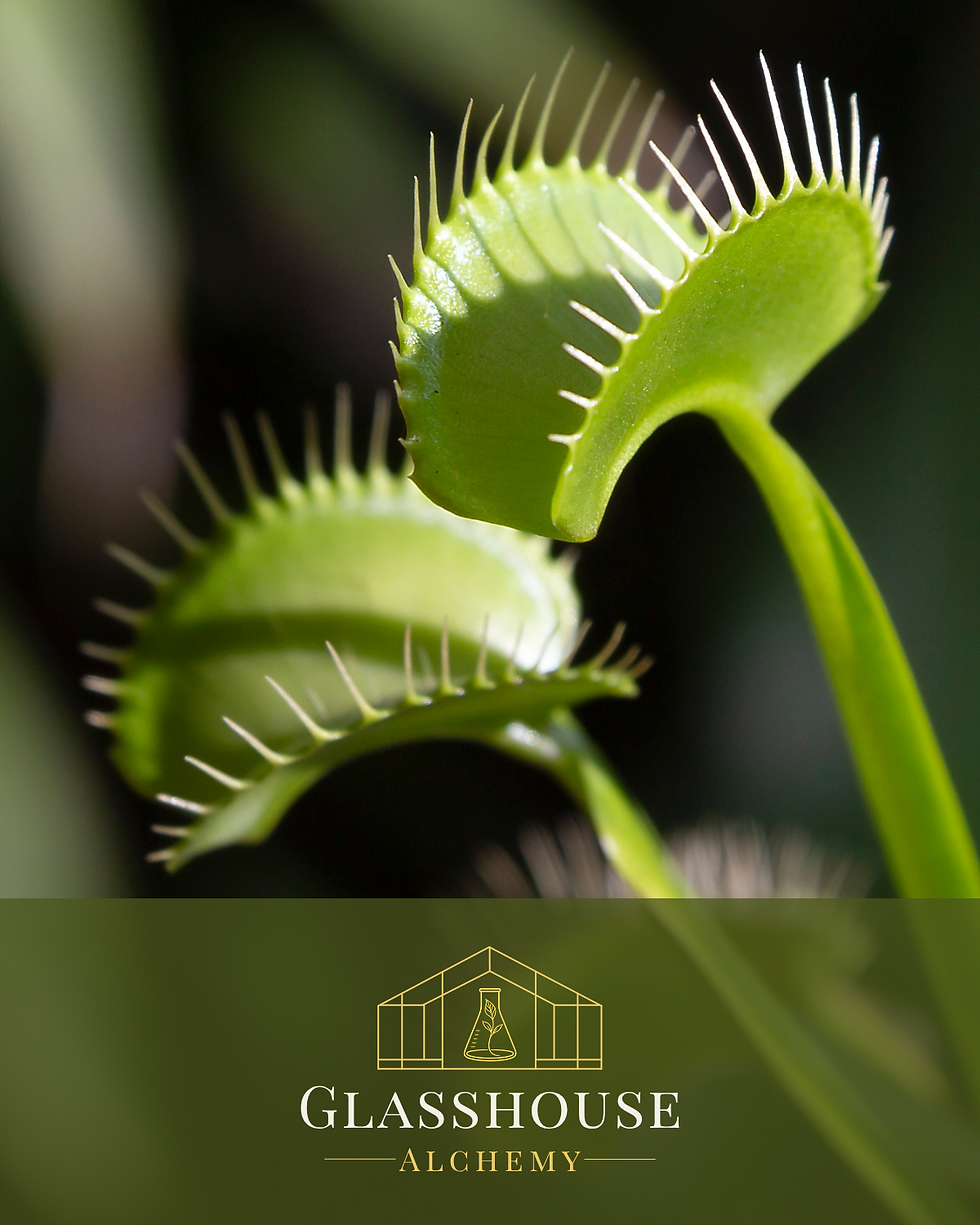
However, not all carnivorous plants are appropriate. Venus flytraps require seasonal dormancy, and many species have specialized environmental needs that may not align with enclosure conditions.
The key is selecting species whose requirements overlap with the habitat being created.
Building a Living Ecosystem
The most successful bioactive enclosures are built in layers.
Ground-cover plants create visual continuity. Mid-level plants provide shelter and security. Climbing species establish vertical structure and usable space.
Together with beneficial microfauna such as springtails and isopods, plants help create an enclosure that feels alive rather than simply decorated.
Final Thoughts
Bioactive enclosures allow reptile keeping and horticulture to meet in one living system.
Whether you're building a tropical gecko habitat, a dart frog vivarium, or a planted display enclosure, the right plants can transform both the appearance and function of the environment.
A well-designed bioactive enclosure doesn't just house an animal. It becomes a small ecosystem worth observing in its own right.


Comments